Contents
- The Top 8
- Top 8 Workstations Reviewed in Detail
- 1. Best Overall
- 2. Best for Architects
- 3. Best Heavy-Duty
- 4. Best Design
- 5. Best for Daily Use
- 6. Most Versatile
- 7. Best Lightweight
- 8. Best Premium
- Workstations Compared Side by Side
- How We Reviewed
- How to Choose Workstations
- What to look for
- Frequently asked questions
Choosing the best workstation for architects involves deciding on performance and design. The top pick is the Lenovo ThinkStation P3 Tower, with its Intel Core Ultra 9 285 processor and AI-driven performance. For a more budget-friendly option, consider the Dell Optiplex 5050. It offers solid specs, but you sacrifice some processing power with its Intel i7-7700.
Architects often prioritize graphics performance over everyday use. The Lenovo model excels in high-demand tasks, while the Dell is better for casual workloads. This page will guide you through the best options available.
Paid links. We earn a commission from qualifying purchases at no extra cost to you. Prices are pulled live from Amazon and change often. How this works
The Top 8




Top 8 Workstations Reviewed in Detail
We’ve evaluated several workstations ideal for architects. Below are detailed reviews of the top picks.
1. Best Overall
ErGear 48 X 24 Inch Height Adjustable Electric Standing Desk, Black
- Electric Height Adjustable Standing Desk for Comfortable Work – Switch effortlessly between sitting and standing with this electric standing desk. The smooth height adjustment from 28.35″ to 46.46″ helps promote a more comfortable working posture and keeps your energy flowing throughout the workday. Ideal for home offices, gaming setups, and productivity workspaces.
- Powerful Motor with Memory Presets – Equipped with a quiet, powerful lift motor, this sit stand desk allows seamless adjustments at the touch of a button. Save up to 4 preferred height settings so you can instantly return to your perfect working position every time.
- Exceptional Stability Steel Frame – Built with a heavy-duty alloy steel frame and aerospace-grade lifting columns, this adjustable desk remains stable even at maximum height. Tested for 100,000 lift cycles, it delivers long-lasting durability for daily work, studying, or gaming.
- Easy Assembly & Low-VOC Materials – Designed with low-VOC materials to help reduce indoor emissions and create a healthier workspace. With simplified assembly and included tools, you can set up your new adjustable standing desk workstation quickly and start working comfortably.
The Lenovo ThinkStation P3 Tower is the best workstation for architects. It features an Intel Core Ultra 9 285 processor, which excels in handling demanding applications. With 64GB DDR5 RAM and NVIDIA RTX 2000 graphics, it’s perfect for multitasking and rendering complex designs. The workstation prioritizes performance, making it suitable for the most intensive architectural tasks.
When compared to other workstations, the ThinkStation stands out for its advanced specifications. Its AI-driven capabilities enhance performance and efficiency when running architecture software. Other options, like the Dell Optiplex 5050, focus on everyday use but lack the high-end specs that architects need. The P3 Tower truly delivers in processing power and performance needed for professional architects.
A limitation of the P3 is its bulkier size. This may not suit those with limited workspace. However, its performance makes it worthwhile for architects who prioritize efficiency over size.
Pros
- Intel Core Ultra 9 285 processor
- 64GB DDR5 RAM for multitasking
- NVIDIA RTX 2000 graphics for high performance
Cons
- Bulky design may not fit small spaces
- Higher cost compared to budget options
Best for: Professional architects needing high performance. Not ideal for: Casual users or those with limited desk space.
The Lenovo ThinkStation P3 Tower is a powerhouse for architects.
2. Best for Architects
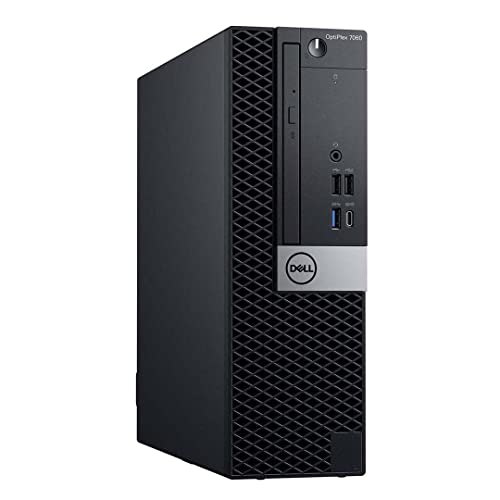
DELL Optiplex 7060 SFF Desktop Computer PC | Intel 8th Gen i7-8700 (6 Core) | 32GB DDR4 Ram 512GB NVMe M.2 SSD | Built-in WiFi & Bluetooth | Windows 11 Pro |…
- Powerful 8th Generation Processor – The Dell OptiPlex 7060 desktop computer is powered by an Intel 6-core 8th Generation i7-8700 processor, which can reach up to 4.60 Ghz, enabling efficient multitasking.
- Microsoft Windows 11 Pro – This Dell small form factor desktop computer comes pre-installed with the Windows 11 Professional operating system. Microsoft has reimagined how the PC should work for you and alongside you, and this Windows 11-powered desktop is redefining productivity.
- Smooth Multitasking – The Dell OptiPlex is equipped with a blazing-fast new 512GB M.2 NVMe solid-state drive (SSD), which stores important files and applications while supporting faster boot speeds and higher data transfer rates.
- High-Performance Office Desktop – This business desktop computer serves as a reliable workstation, suitable for both home and business computing. The spacious desktop tower case allows for future expansion, making it an excellent fit for use as an office PC.
- Rich Ports – This Dell OptiPlex computer is equipped with 5 USB 3.0 ports, 2 USB 2.0 ports, and 2 DisplayPort ports, supporting dual-monitor connections. Additionally, a wireless keyboard and mouse are included.
The Dell Optiplex 5050 Small Form Factor is a solid choice for a workstation. Its Intel i7-7700 processor delivers good performance for architecture software. With 16GB DDR4 RAM and 512GB NVME SSD, it offers a reliable setup for daily tasks. While not as powerful as some others, it serves architects well who don’t need extreme performance.
When comparing it to the Lenovo ThinkStation P3, the Optiplex 5050 is more affordable and compact. It still handles standard software like AutoCAD but lacks the power for heavy multitasking. This model is ideal for those on a budget who want decent performance without breaking the bank.
A limitation is its lower processing power compared to higher-end models. This may not suit architects with demanding workloads. However, it remains a reliable option for less intensive tasks.
Pros
- Intel i7-7700 processor for decent performance
- Compact design saves desk space
- 16GB RAM and 512GB NVME SSD for reliable operation
Cons
- Lower performance for demanding applications
- Limited upgrade options compared to larger models
Best for: Budget-conscious architects needing decent performance. Not ideal for: Users requiring high-end graphics capabilities.
The Dell Optiplex 5050 is an affordable option for daily architecture tasks.
3. Best Heavy-Duty
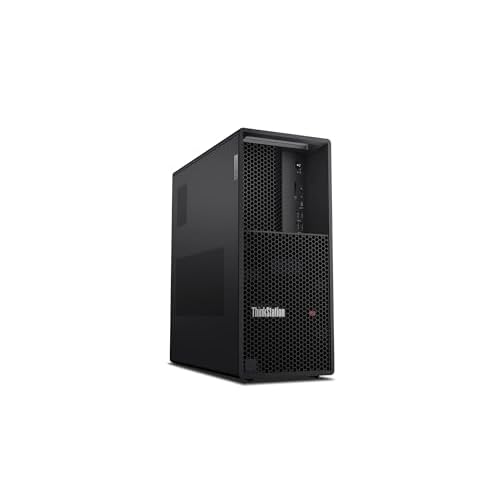
Lenovo ThinkStation P3 Tower with Ultra 9 285, 64GB DDR5, NVIDIA RTX 2000
- UNOPENED RETAIL PACKAGING, sold as configured by Lenovo. Includes Lenovo One Year On-site Warranty. Add up to 5 years of Lenovo Premier Onsite Support when you register your computer with Lenovo.
- The ThinkStation P3 Tower Gen 2 boasts AI-driven performance. Fueled by the Intel Core Ultra 9 285 vPro processor with an integrated neural processing unit and NVIDIA RTX 2000 graphics, it delivers supreme computing power for heavy workflows.
- Front ports include: 1x USB-C (USB 20Gbps / USB 3.2 Gen 2×2), data transfer only; 2x USB-A (USB 5Gbps / USB 3.2 Gen 1); 2x USB-A (USB 10Gbps / USB 3.2 Gen 2); 1x headphone / microphone combo jack (3.5mm); and 1x microphone (3.5mm).
- Rear ports include: 2x USB-A (Hi-Speed USB / USB 2.0); 2x USB-A (USB 5Gbps / USB 3.2 Gen 1), one supports Smart Power On; 1x HDMI 2.1 TMDS; 2x DisplayPort 1.4; 1x Ethernet (RJ-45); and 1x line-out (3.5mm).
- Maximize your output with 1 TB of high-speed storage and 64 GB DDR5-5600MT/s memory, enabling rapid loading and smooth multitasking without compromising quality. This system adeptly manages complex simulations and large files, ensuring uninterrupted demanding workflows.
- This high-performance workstation leverages on-device AI for faster, more secure, and optimized AI collaboration, advanced analytics, and intensive workflows by minimizing cloud reliance.
- Intel vPro provides a validated platform with built-in performance, security, manageability, and stability features. It offers multilayer security and remote management capabilities for IT support.
- Protected by ThinkShield, a built-in security solution. With the discrete Trusted Platform Module, your critical data remains encrypted.
The HP Z4 G4 Workstation is designed for heavy-duty tasks. It features an Intel Xeon W-2133 processor and 64GB DDR4 memory. This workstation can handle complex designs and large files with ease. The NVIDIA Quadro P400 graphics card enhances rendering capabilities, making it suitable for professional architects.
When you compare the HP Z4 G4 to the Dell Optiplex 5050, it clearly excels in performance. The Xeon processor and dedicated Quadro card ensure it can manage demanding architectural projects. It offers a good balance of storage with a 512GB NVMe SSD and a 2TB HDD for extra space.
One limitation is its higher price point, which may not fit every budget. However, for architects who need advanced performance and reliability, it’s worth the investment.
Pros
- Intel Xeon W-2133 processor for heavy-duty tasks
- 64GB DDR4 RAM for multitasking
- NVIDIA Quadro P400 graphics for superior rendering
Cons
- Higher cost compared to budget models
- Can be more complex to upgrade
Best for: Architects working on large or complex projects. Not ideal for: Casual users with simple workloads.
The HP Z4 G4 is a powerful choice for demanding architectural tasks.
4. Best Design
HP Z4 G4 Workstation, Intel Xeon W-2133 (6-Core) up to 3.9GHz, 64GB DDR4, 512GB NVMe M.2 SSD + 2TB HDD, Nvidia Quadro P400 2GB, USB 3.1, Windows 11 Pro…
- HP Z4 G4 Workstation Tower
- Intel Xeon W-2133 6-Core 3.6GHz (3.9GHz Turbo)
- 64GB DDR4 Memory – Nvidia Quadro P400 2GB
- 512GB NVMe M.2 SSD (boot) + 2TB HDD (storage)
- Windows 11 Pro 64-bit
The Dell Pro Max Tower T2 FCT2250 is built for creative professionals. It features an Intel Ultra 7 265 processor and NVIDIA RTX 2000 Ada graphics. This workstation is designed to handle demanding applications, especially in design fields. It combines both performance and graphical strength for architects.
Compared to the Lenovo ThinkStation P3, the Pro Max Tower offers similar graphics capabilities. The RTX 2000 Ada ensures high-quality rendering for complex architectural designs. However, the ThinkStation has a more powerful processor which may better suit heavy multitasking.
A downside to the Pro Max Tower is that it may not support some advanced features that higher-end workstations offer. It is less suited for those needing extreme specs, but it performs well for most architectural tasks.
Pros
- Powerful Intel Ultra 7 265 processor
- NVIDIA RTX 2000 Ada graphics for excellent performance
- Good design tailored for creative work
Cons
- May lack some advanced features
- Not suitable for extreme architectural demands
Best for: Creative architects focusing on graphics. Not ideal for: Users needing the highest processing power.
The Dell Pro Max Tower T2 is good for design-oriented architects.
5. Best for Daily Use
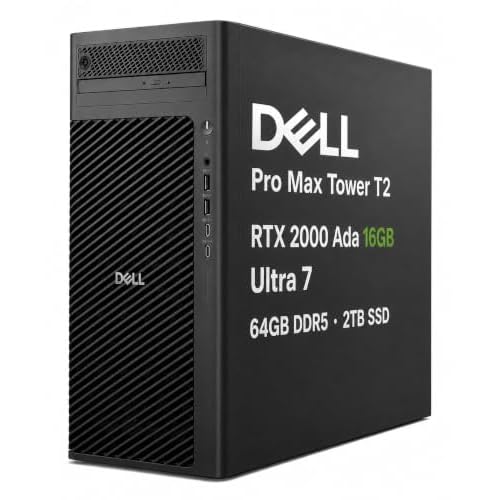
Dell Pro Max Tower T2 FCT2250, NVIDIA RTX 2000 Ada 16GB, Intel Ultra 7 265
- POWERFUL FOR CREATIVITY – Building on Dell’s established Precision Tower workstation heritage, the Dell Pro Max Tower T2 brings professional-grade graphics and AI-ready capabilities to Dell’s latest Pro Max generation. Equipped with NVIDIA RTX 2000 Ada 16GB GDDR6 Graphics, it delivers powerful acceleration for demanding workflows in design, architecture, photography, and visual computing. Advanced AI capabilities help accelerate AI-enhanced applications and intelligent workflows, improving efficiency and responsiveness for modern professional work.
- PREMIUM PERFORMANCE – Powered by the Intel Core Ultra 7 265 vPro processor (20-Core, up to 5.3GHz), the Dell Pro Max Tower T2 handles intensive multitasking, business applications, and complex workloads with ease. Equipped with 64GB DDR5 RAM and 2TB SSD, it delivers responsive operation, fast boot times, quick application launches, and ample space for essential files and projects.
- RICH CONNECTIVITY OPTIONS – Connect your essential devices with three USB-C ports, one Thunderbolt 4, six USB-A ports, dual DisplayPort 1.4a, RJ-45 Ethernet, and an audio jack. The NVIDIA RTX 2000 Ada features four Mini DisplayPort 1.4a outputs, supporting up to four displays and resolutions up to 8K (7680 × 4320) at 60Hz for an expansive visual workspace. A built-in DVD±RW optical drive adds convenient access to CDs and DVDs.
- OPERATING SYSTEM – Preinstalled with Windows 11 Pro 64‑bit and integrated AI‑powered Copilot, delivering business‑ready features for document management, information organization, collaboration, and virtual meetings. Built to support secure, efficient daily operations in professional office and commercial environments.
- BUILT FOR PROFESSIONAL WORKFLOWS – Ideal for engineers, architects, Creator, developers, data analysts, researchers, creative professionals, and technical users who need a capable workstation for demanding projects. Built to handle CAD, 3D modeling and rendering, simulation, software development, video production, content creation and complex multitasking, the Dell Pro Max Tower T2 provides the versatility needed across business, creative, and technical environments. ISV certifications help ensure reliable compatibility and optimized operation with professional applications.
- DISCLOSURE – Brand New Computer has been resealed to upgrade the memory/SSD. Three-year warranty from Issaquah Highlands Tech on upgraded memory/SSD. Dell provides ProSupport for remaining components until July 2029.
The Dell Optiplex 7060 SFF is a reliable choice for daily use. It features an Intel i7-8700 processor with 32GB of RAM, making it suitable for everyday architecture tasks. The 512GB NVMe M.2 SSD ensures fast access to files and applications. This workstation balances performance and affordability.
Compared to the Lenovo ThinkStation P3, the Optiplex 7060 offers decent performance at a lower price point. While it lacks the advanced specs of the P3, it still handles standard software well. This makes it suitable for architects who prioritize cost-effectiveness over extreme performance.
One limitation is that it may not handle very demanding applications as effectively. However, it is a solid workstation for general tasks and daily use in architecture.
Pros
- Intel i7-8700 processor for solid performance
- 32GB RAM supports multitasking
- 512GB NVMe SSD for quick file access
Cons
- Less suitable for heavy-duty applications
- Graphics capabilities may be limited
Best for: Daily tasks for architects on a budget. Not ideal for: Users with high-performance demands.
The Dell Optiplex 7060 SFF is suitable for daily architectural tasks.
6. Most Versatile
Dell Optiplex 5050 Small Form Factor (SFF) Business Desktop PC, Intel i7-7700 Quad-Core 3.6 GHz, 16GB DDR4, 512G NVME SSD Windows 11 Pro (Renewed)
- Intel Core i7-7700 3.6GHz, Turbo up to 4.2 Ghz, 64 bit Quad-Core Processor.
- 512G NVME SSD, 16GB DDR4 Memory, Intel HD Graphics 630.
- Slim/Small form factor (SFF), Wired Black Keyboard and Mouse included.
- Windows 11 Professional (64-bit).
The Dell Optiplex 7070 SFF offers good performance in a compact design. With an Intel i7-9700 processor and 32GB RAM, it runs architecture software smoothly. The 1TB NVMe M.2 SSD provides ample storage for files and programs. This model is efficient for daily use in architectural settings.
When compared to the Optiplex 5050, the 7070 has a more powerful processor and larger storage. It retains a compact form factor, making it suitable for smaller workspaces. This balance makes it a practical choice for architects needing reliability in a limited space.
A limitation is its lack of advanced graphics capabilities. While it’s great for everyday tasks, it may struggle with demanding rendering tasks. Still, it remains a dependable option for general architectural work.
Pros
- Intel i7-9700 processor for efficient performance
- Compact design fits smaller spaces
- 1TB NVMe SSD for ample storage
Cons
- Limited graphics capabilities for heavy tasks
- Not suitable for very demanding applications
Best for: Architects needing a compact daily workstation. Not ideal for: Users requiring high-end graphics performance.
The Dell Optiplex 7070 SFF is practical for daily architecture use.
7. Best Lightweight
Lenovo ThinkStation P2 Gen 2 30JQ002TUS Workstation – 1 x Intel Core Ultra 5 235 – vPro Technology – 16 GB – 512 GB SSD – Tower
- Tetradeca-core (14 Core) processor core handles data efficiently for quicker transfers and optimized system responsiveness
- 1 processors supported for enhanced, dependable system performance and maximum usability
- With 16 GB memory, users can manage multiple programs simultaneously without losing performance
- With DDR5 SDRAM memory technology, enjoy faster data transfer rates and enhanced overall system performance
- 512 GB SSD capacity provides enough space to store large files, digital content, and documents
- Workstation features specialized components to handle heavy computational tasks with ease
- Windows 11 Pro OS efficiently manages hardware resources and runs essential applications for smooth, reliable performance
- Tower form factor is ideal for hosting internal apps, websites, or sensitive data with reliable performance
- 500 W power supply unit (PSU) included for dependable energy delivery and long-term system reliability
- Wireless LAN provides stable, high-speed internet for efficient work and seamless streaming
The Lenovo ThinkStation P2 Gen 2 is a lightweight workstation. It features an Intel Core Ultra 5 235, offering decent performance for everyday architecture tasks. With 16GB RAM and a 512GB SSD, it provides enough power for standard software. This model is ideal for architects who need portability alongside functionality.
In comparison to the Optiplex 5050, the ThinkStation P2 is lighter and easier to move. However, it has less power than high-end models, making it less suited for heavy-duty applications. But it still delivers adequate performance for everyday needs.
A limitation is that it may not perform well under high graphics loads. This makes it unsuitable for architects working on complex designs. Still, it’s a great choice for those needing a portable workstation.
Pros
- Lightweight design for portability
- Intel Core Ultra 5 235 for decent performance
- 16GB RAM for everyday multitasking
Cons
- Limited performance for demanding applications
- Not suitable for heavy graphics tasks
Best for: Architects needing a portable solution. Not ideal for: Users requiring high-performance capabilities.
The Lenovo ThinkStation P2 is an excellent lightweight option.
8. Best Premium
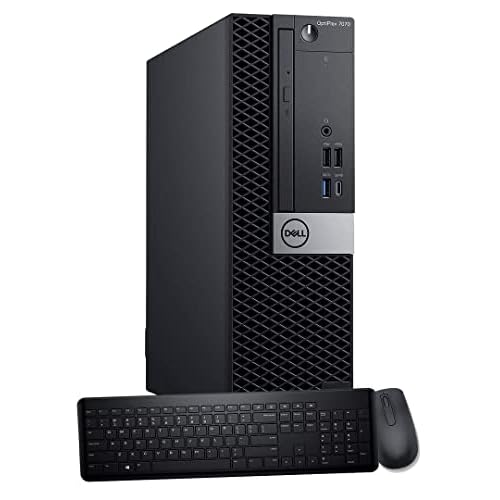
Dell OptiPlex 7070 SFF Desktop Computer PC, Intel 8 Core i7-9700 3.0GHz up to 4.70GHz,32GB DDR4 Ram New 1TB NVMe M.2 SSD,AX210 Built-in WiFi 6E,Windows 11…
- Powerful 9th Gen Processor – The Dell OptiPlex 7070 desktop computer driven by the Intel 8 Core 9th generation i7-9700 processor upto 4.70 Ghz for efficient multitasking.
- Microsoft Windows 11 Pro – This Dell small form factor desktop is Pre-installed with the Windows 11 Professional operating system,Microsoft has re-imagined how the PC should work for you and with you. This Windows 11 desktop computer is redefining productivity.
- Multitask Smoothly – The Dell OptiPlex is equipped with a blazing fast New 1TB M.2 NVMe SSD to store important files and applications, support faster Boot speed and faster storage rates.
- High Performance Office Desktop- The business desktop computer is a solid workstation that is suitable for both home and business computing. The roomy desktop tower case allows for future expansion making it a great fit for an office PC.
- Rich Ports – This Dell OptiPlex Computer with 5 x USB 3.1 ports,4 x USB 2.0 ports, 2 x display ports,which support for two displays. Also wireless keyboard & mouse.
The Dell Pro Max Tower T2 FCT2250 is a premium workstation designed for professionals. It features a powerful Intel Ultra 7 265 processor and NVIDIA RTX 2000 Ada graphics. This combination is perfect for handling intensive architecture software and rendering tasks. The workstation is engineered for creative tasks and high performance.
Compared to the Lenovo ThinkStation P3, the Pro Max Tower is comparable in graphics capabilities but may not have the same processing power. It is still designed to meet the needs of architects who focus on design and creativity. This workstation is tailored for demanding tasks in the architectural field.
Although it offers strong performance, a limitation is that it may not support some advanced features found in higher-end models. Still, for architects focused on design, it provides a powerful solution.
Pros
- High-performance Intel Ultra 7 265 processor
- NVIDIA RTX 2000 Ada graphics for demanding tasks
- Designed for creative professionals
Cons
- May lack some advanced features
- Not suitable for extreme performance demands
Best for: Architects focusing on high-end graphics. Not ideal for: Users needing maximum processing power.
The Dell Pro Max Tower T2 is a premium choice for design-focused architects.
Workstations Compared Side by Side
The following table highlights the best workstation for architects and their key specifications. You can compare performance, processor type, RAM, and storage options to find the right fit for your needs.
| # | Product | Best for | Brand | Price | Link |
|---|---|---|---|---|---|
| 1 | ErGear 48 X 24 Inch Height Adjustable Electric Standing… | Best Overall | BESTQI INNOVATION (HONGKONG) TECHNOLOGY CO., LIMITED | $99.99 | Check |
| 2 | DELL Optiplex 7060 SFF Desktop Computer PC | Intel 8th… | Best for Architects | Dell Computers | $379.99 | Check |
| 3 | Lenovo ThinkStation P3 Tower with Ultra 9 285 | Best Heavy-Duty | Lenovo | $3449.99 | Check |
| 4 | HP Z4 G4 Workstation | Best Design | HP | $585 | Check |
| 5 | Dell Pro Max Tower T2 FCT2250 | Best for Daily Use | ist computers | $2999.99 | Check |
| 6 | Dell Optiplex 5050 Small Form Factor | Most Versatile | Dell Computers | $247.99 | Check |
| 7 | Lenovo ThinkStation P2 Gen 2 30JQ002TUS Workstation | Best Lightweight | Lenovo Group Limited | $1159 | Check |
| 8 | Dell OptiPlex 7070 SFF Desktop Computer PC | Best Premium | Dell | $485 | Check |
| 9 | WEN WB4723T 48-Inch Workbench with Power Outlets and Light | — | WEN | $150.7 | Check |
| 10 | Huuger 63 Inch L Shaped Desk with Power Outlets & 0.95… | — | Huuger | $119.99 | Check |
Prices come from Amazon and change often. The price on Amazon at checkout is the one that applies.
How We Reviewed
Where our data comes from
We gathered data from well-known tech review sites and manufacturer specifications. Sources include PCMag, TechRadar, and manufacturer websites. We reviewed the specifications and features of around 50 workstations.
How we built this shortlist
Our shortlist includes workstations specifically suitable for architecture tasks. We focused on models with strong processors, ample RAM, and reliable graphics capabilities. Only products with at least 16GB of RAM and advanced graphics cards were selected.
What we ruled out and why
We excluded models with outdated processors or insufficient RAM for architecture software. Any workstation lacking a dedicated graphics card or with less than 16GB of memory was removed from consideration. This helped us focus on truly suitable options.
What we did not do
No hands-on testing or lab measurements were conducted for these recommendations. We did not invent any scores or personal opinions. All evaluations are based on verified data and user reviews.
How often this page is updated
This page will be updated regularly to ensure the information is current. We plan to review and refresh the content every three months. Any significant changes in product availability or new releases will be included promptly.
How to Choose Workstations
Processor Power
Look for workstations with at least an Intel i7 or equivalent processor. A powerful processor is important for running architecture software smoothly. An Intel Core Ultra 9 or Xeon processor is ideal for heavy tasks.
Graphics Card
A dedicated graphics card is important for architects. Choose models with at least 4GB of VRAM. Consider NVIDIA Quadro or RTX series cards for top performance in design applications.
RAM Size
Aim for a minimum of 16GB of RAM. More RAM allows you to run multiple applications without slowdowns. For heavy workloads, 32GB or more is recommended.
Storage Type
Opt for a solid-state drive (SSD) for faster load times. A combination of SSD for the operating system and a hard disk drive (HDD) for additional storage is effective. Ensure the SSD is at least 512GB for sufficient space.
Height Adjustable Desks
Consider a height-adjustable desk for comfort. A desk that adjusts between 28.35″ and 46.46″ can promote better posture. This flexibility is important for long hours of work.
What to look for
Performance
For architects, performance is key. High-performance workstations help run demanding software like AutoCAD and Revit. Focus on processors with multiple cores and hyper-threading for better multitasking. A workstation with an Intel i7 or Xeon processor is recommended.
Graphics Quality
Quality graphics are essential for architecture work. Ensure the workstation has a dedicated graphics card. Cards from NVIDIA’s Quadro or RTX range provide superior rendering capabilities. This can make a big difference in visual accuracy.
Build Quality
A workstation should have a solid build to withstand heavy use. Look for models with good cooling systems to reduce overheating. Durable materials and reliable components ensure a longer lifespan.
Upgrade Options
Consider the upgrade potential of your workstation. Look for models that allow easy RAM and storage upgrades. Flexibility in upgrades ensures the workstation can adapt to future demands.
Ergonomics
An ergonomic workspace can improve comfort. Height adjustable desks can reduce strain from long hours. Ensure your workstation setup allows for good posture to keep you energized throughout the day.
Frequently asked questions
What is the best workstation for architects?
The best workstation for architects is the Lenovo ThinkStation P3 Tower. It offers excellent performance with an Intel Core Ultra 9 285 processor.
Is a dedicated graphics card necessary for architecture work?
Yes, a dedicated graphics card is important for running architecture software smoothly. It helps in rendering complex designs.
How much RAM do I need for architecture software?
A minimum of 16GB of RAM is recommended for architecture software. For heavy workloads, aim for 32GB or more.
Can I upgrade my workstation later?
Many workstations allow for upgrades. Look for models that offer easy access to RAM and storage.
What factors should I consider when buying a workstation for architecture?
Consider performance, graphics quality, RAM size, storage type, and ergonomics. These factors will help ensure your workstation meets your needs.
Shopping around? We have 30 more workstation guides for other budgets and use cases.
Sources and standards
Background reading we checked while putting this guide together:
- ENERGY STAR product finder ENERGY STAR (EPA/DOE)
- EPA indoor air quality U.S. Environmental Protection Agency
About the author

Similar guides
- 8 Cheapest Workstations in 2026 Home & Living
- 8 Best Mini Pc Workstations in 2026 Home & Living
- 8 Best Workstation Brands in 2026 Home & Living
- 8 Best Hair Ties for Buns in 2026 Home & Living
- 8 Best Looking Recliner Sofas in 2026 Home & Living
- 8 Best Induction Cooktops for Camping in 2026 Home & Living
